
Money plays a central role in nearly every aspect of modern life, yet most people are never formally taught how to manage it well. Developing smart money habits is not about being perfect with finances or earning a high income—it’s about consistently making informed decisions that support long-term stability, freedom, and peace of mind.
In this guide, we’ll explore practical, realistic habits that can help you take control of your money, reduce financial stress, and build a healthier relationship with spending and saving.
Understanding What Smart Money Habits Really Mean
Smart money habits are small, repeatable behaviors that improve your financial health over time. They are not quick fixes or get-rich-quick strategies. Instead, they focus on discipline, awareness, and consistency.
At their core, these habits help you:
- Spend intentionally instead of impulsively
- Save regularly, even in small amounts
- Avoid unnecessary debt
- Plan for future goals
- Build financial resilience for emergencies
The key idea is simple: financial success is built through everyday decisions, not one-time actions.
1. Tracking Your Spending
One of the most powerful financial habits is also one of the simplest—knowing where your money goes.
Many people underestimate their expenses because small purchases add up quickly. Coffee runs, online subscriptions, and spontaneous shopping may seem minor individually, but together they can significantly impact your monthly budget.
Start by tracking:
- Daily expenses
- Monthly bills
- Irregular costs (like gifts or repairs)
You can use a notebook, spreadsheet, or budgeting apps. The goal is not perfection but awareness. Once you understand your spending patterns, you can make better decisions about where to cut back or adjust.
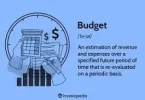
2. Creating a Realistic Budget
Budgeting is not about restricting your life—it’s about giving your money a purpose. A good budget reflects your real lifestyle, not an idealized version of it.
A simple approach is the 50/30/20 rule:
- 50% for needs (rent, food, bills)
- 30% for wants (entertainment, dining out)
- 20% for savings and debt repayment
However, this is just a guideline. The most effective budget is one that fits your income and personal goals.
The important part is consistency. Review your budget monthly and adjust as needed.
3. Building an Emergency Fund
Unexpected expenses are inevitable—medical bills, job loss, or urgent repairs can happen at any time. An emergency fund acts as a financial safety net.
Aim to save at least 3–6 months of essential expenses. If that feels overwhelming, start small. Even saving a small fixed amount each week builds momentum over time.
The key benefits include:
- Reduced financial stress
- Less reliance on credit cards or loans
- Greater confidence during uncertain times
Think of it as paying your future self for peace of mind.
4. Avoiding Lifestyle Inflation
:max_bytes(150000):strip_icc()/FinanceYourFuture-LifestyleInflation-v12-b99d165f4b1f4f4eb4b861acccbc13e3.png)
As income increases, it’s tempting to increase spending at the same rate. This is known as lifestyle inflation, and it can quietly prevent long-term wealth building.
For example, upgrading your phone, moving to a more expensive apartment, or dining out more often may feel justified after a raise—but if spending rises too quickly, savings remain stagnant.
A smarter approach is:
- Increase savings whenever income rises
- Maintain your current lifestyle for a while after a raise
- Only upgrade expenses that truly improve quality of life
5. Using Credit Wisely
Credit can be a useful financial tool when managed properly, but it can also lead to long-term debt if misused.
Smart credit habits include:
- Paying credit card balances in full each month
- Avoiding unnecessary loans
- Understanding interest rates before borrowing
- Keeping credit utilization low
Good credit management improves your financial reputation and can help you qualify for better loans in the future.
6. Automating Savings and Payments
One of the easiest ways to build strong financial habits is to remove decision-making from the process.
Automation helps you stay consistent by:
- Automatically transferring money into savings
- Scheduling bill payments
- Setting recurring investments
When savings happen automatically, you’re less likely to skip them or spend the money elsewhere.
7. Setting Clear Financial Goals
Without goals, money management becomes directionless. Clear goals help you stay motivated and focused.
Examples of financial goals include:
- Saving for a vacation
- Buying a home
- Starting a business
- Becoming debt-free
Break larger goals into smaller milestones. Instead of saying “I want to save $10,000,” start with monthly or weekly targets.
This makes progress more visible and achievable.
8. Practicing Mindful Spending
Mindful spending means being intentional with every purchase. Before buying something, ask yourself:
- Do I really need this?
- Will it add long-term value?
- Can I afford it without affecting my goals?
This doesn’t mean avoiding enjoyment. It simply means aligning spending with priorities rather than impulse.
Over time, this habit naturally reduces wasteful expenses and increases financial satisfaction.
9. Learning Continuously About Money
Financial literacy is an ongoing process. The more you learn, the better your decisions become.
You can improve your knowledge by:
- Reading personal finance books
- Following reliable financial blogs
- Listening to educational podcasts
- Learning about investing basics
Understanding concepts like inflation, interest rates, and investing can significantly improve your long-term financial outcomes.
10. Staying Consistent Over Time
Perhaps the most important habit of all is consistency. Financial improvement does not happen overnight. It is the result of repeated small actions over months and years.
There will be setbacks—unexpected expenses, mistakes, or missed goals—but consistency matters more than perfection.
Even small improvements, when maintained over time, can lead to significant financial progress.
Final Thoughts
Building smart money habits is less about strict rules and more about creating a lifestyle that supports your goals and reduces financial stress. By tracking spending, budgeting realistically, saving regularly, and staying mindful of decisions, you can steadily improve your financial health.
The journey doesn’t require perfection—only progress. Start small, stay consistent, and let your habits do the heavy lifting over time.