
Managing money has become more important than ever in today’s fast-moving world. Rising living costs, changing economic conditions, and unexpected expenses can quickly create financial stress if you don’t have a proper plan in place. This is where personal finance planning becomes essential.
Personal finance planning is not just about saving money. It is a structured approach to managing your income, expenses, investments, debt, insurance, and future goals. Whether you want to buy a house, travel the world, retire comfortably, or simply avoid financial anxiety, a strong financial plan helps you move toward those goals with confidence.
Many people believe financial planning is only for wealthy individuals, but that is far from the truth. Anyone can benefit from organizing their finances and making smarter financial decisions. In fact, the earlier you begin, the easier it becomes to build long-term wealth and financial stability.
In this guide, you will learn everything you need to know about personal finance planning, including why it matters, key components of a successful plan, common mistakes to avoid, and practical strategies to improve your financial future.
What Is Personal Finance Planning?
Personal finance planning is the process of evaluating your current financial situation, setting realistic goals, and creating a strategy to achieve those goals over time.
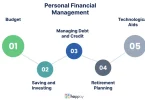
It involves managing every aspect of your financial life, including:
- Budgeting
- Saving
- Investing
- Debt management
- Retirement planning
- Insurance
- Tax planning
- Emergency funds
The main objective is to ensure financial security while helping you achieve both short-term and long-term goals.
For example, if you want to purchase a home within five years, personal finance planning helps determine how much you need to save monthly, how to improve your credit score, and which investment strategies can help grow your money.
Without a clear financial plan, people often overspend, accumulate unnecessary debt, and struggle during financial emergencies.
Why Personal Finance Planning Is Important
Financial planning provides structure and direction for your money. Instead of wondering where your income disappears every month, you gain control over your finances and make intentional decisions.
Here are some major reasons why personal finance planning matters:
1. Helps You Achieve Financial Goals
Whether your goal is buying a car, funding your child’s education, or retiring early, financial planning creates a roadmap to help you reach those milestones efficiently.
2. Reduces Financial Stress
Money problems are one of the leading causes of stress worldwide. Having a financial plan reduces uncertainty and gives you confidence about your future.
3. Encourages Better Spending Habits
Financial planning helps you distinguish between needs and wants. This encourages smarter spending decisions and prevents impulsive purchases.
4. Builds Long-Term Wealth
Saving and investing consistently over time allows your money to grow through compound interest and investment returns.
5. Prepares You for Emergencies
Unexpected situations such as medical bills, job loss, or car repairs can happen anytime. A financial plan includes emergency savings to protect you during difficult times.
6. Improves Retirement Readiness
Many people underestimate how much money they will need after retirement. Early financial planning ensures you can maintain your desired lifestyle later in life.
Key Components of Personal Finance Planning
Successful financial planning includes several important elements that work together to improve your overall financial health.
1. Budgeting
Budgeting is the foundation of personal finance planning. It helps track your income and expenses so you can understand where your money goes.
A simple budgeting strategy is the 50/30/20 rule:
- 50% for necessities
- 30% for wants
- 20% for savings and debt repayment
Creating a monthly budget allows you to:
- Avoid overspending
- Increase savings
- Identify unnecessary expenses
- Improve financial discipline
You can use budgeting apps, spreadsheets, or traditional notebooks to monitor your spending habits.
2. Building an Emergency Fund
An emergency fund is money set aside specifically for unexpected situations.
Financial experts generally recommend saving at least three to six months of living expenses in an easily accessible account.
Your emergency fund can help cover:
- Medical emergencies
- Job loss
- Home repairs
- Car breakdowns
- Unexpected travel
Without emergency savings, many people rely on credit cards or loans during difficult times, which can lead to long-term debt problems.
3. Managing Debt Wisely
Debt can either help or hurt your financial future depending on how it is managed.
Good debt may include:
- Student loans
- Mortgages
- Business investments
Bad debt often includes:
- High-interest credit cards
- Unnecessary consumer loans
- Impulsive financing purchases
Effective debt management involves:
- Paying bills on time
- Reducing high-interest debt first
- Avoiding excessive borrowing
- Maintaining a healthy credit score
One popular strategy is the debt avalanche method, where you pay off debts with the highest interest rates first while continuing minimum payments on others.
4. Saving for Short-Term and Long-Term Goals
Saving money is essential for financial stability. However, your savings strategy should align with your goals.
Short-Term Goals
These may include:
- Vacations
- Buying electronics
- Wedding expenses
- Emergency savings
Long-Term Goals
These may include:
- Retirement
- Buying a house
- Children’s education
- Financial independence
Separating your savings into different categories helps you stay organized and motivated.
5. Investing for Wealth Growth
Saving alone may not be enough to build substantial wealth because inflation reduces purchasing power over time.
Investing allows your money to grow faster than traditional savings accounts.
Common investment options include:
- Stocks
- Bonds
- Mutual funds
- ETFs
- Real estate
- Retirement accounts
One important principle of investing is diversification, which means spreading your investments across different asset types to reduce risk.
Starting early is especially powerful because of compound growth. Even small investments made consistently over many years can lead to significant wealth accumulation.
6. Retirement Planning
Retirement planning ensures financial independence later in life.
The earlier you start saving for retirement, the less financial pressure you will face in the future.
Important retirement planning steps include:
- Estimating retirement expenses
- Contributing to retirement accounts
- Increasing savings over time
- Reviewing investments regularly
Many financial experts recommend saving at least 15% of your income for retirement if possible.
7. Insurance and Risk Management
Insurance protects your finances from unexpected events that could otherwise create major financial setbacks.
Important types of insurance include:
- Health insurance
- Life insurance
- Car insurance
- Home insurance
- Disability insurance
Insurance should not be viewed as an unnecessary expense. Instead, it acts as financial protection for you and your family.
8. Tax Planning
Smart tax planning can help you legally reduce your tax burden and maximize savings.
Some tax-saving strategies include:
- Contributing to retirement accounts
- Claiming eligible deductions
- Using tax-efficient investments
- Tracking business expenses
Consulting a tax professional may help optimize your financial strategy.
Steps to Create a Personal Finance Plan
Creating a financial plan does not need to be complicated. Here is a step-by-step process to get started.
Step 1: Assess Your Current Financial Situation
Begin by reviewing:
- Income
- Expenses
- Savings
- Debts
- Investments
This gives you a clear picture of your financial health.
Step 2: Set Financial Goals
Your goals should be:
- Specific
- Measurable
- Achievable
- Realistic
- Time-bound
For example:
- Save $10,000 in two years
- Pay off credit card debt within 12 months
- Build a six-month emergency fund
Step 3: Create a Budget
Track your spending and identify areas where you can reduce unnecessary expenses.
Focus on:
- Prioritizing essentials
- Increasing savings
- Avoiding lifestyle inflation
Step 4: Build Emergency Savings
Start small if necessary. Even saving a small amount consistently builds financial security over time.
Automating savings can make the process easier.
Step 5: Pay Down Debt
Create a repayment strategy and focus on high-interest debt first.
Avoid accumulating new unnecessary debt during this process.
Step 6: Start Investing
Choose investments based on:
- Financial goals
- Risk tolerance
- Time horizon
Beginners often benefit from diversified index funds or retirement accounts.
Step 7: Review and Adjust Your Plan Regularly
Financial planning is not a one-time task.
Review your finances regularly to account for:
- Income changes
- Economic conditions
- Family needs
- New financial goals
Updating your plan helps you stay on track.
Common Personal Finance Mistakes to Avoid
Even financially responsible individuals sometimes make mistakes. Recognizing these common issues can help you avoid them.
1. Living Beyond Your Means
Spending more than you earn creates long-term financial instability.
Avoid lifestyle inflation and unnecessary debt.
2. Ignoring Emergency Savings
Unexpected expenses are inevitable. Without emergency funds, financial setbacks become much harder to manage.
3. Delaying Retirement Savings
Many people postpone retirement planning because it feels far away.
However, delaying investments reduces the benefits of compound growth.
4. Relying Too Much on Credit Cards
Credit cards can be useful tools, but high-interest balances quickly become difficult to manage.
Pay balances in full whenever possible.
5. Not Tracking Expenses
Small daily expenses add up over time.
Tracking spending helps identify financial leaks and improve budgeting habits.
6. Investing Without Research
Investing based solely on trends or social media hype can lead to major losses.
Always understand your investments before committing money.
Personal Finance Tips for Beginners
If you are new to financial planning, start with these simple strategies:
Automate Savings
Set up automatic transfers to savings or investment accounts each month.
Start Small
You do not need a large income to begin financial planning. Consistency matters more than perfection.
Learn Financial Basics
Read books, follow reliable financial blogs, and improve your financial literacy over time.
Avoid Comparing Yourself to Others
Everyone’s financial journey is different. Focus on your own progress and goals.
Increase Income Streams
Consider side businesses, freelancing, or passive income opportunities to strengthen your financial position.
How Technology Has Improved Personal Finance Planning
Technology has made financial management more accessible than ever before.
Today, people can use:
- Budgeting apps
- Investment platforms
- Expense trackers
- Online banking tools
- Retirement calculators
These tools simplify financial planning and help users make better decisions in real time.
Artificial intelligence and automation are also transforming personal finance by offering personalized recommendations and smarter budgeting solutions.
The Importance of Financial Discipline
No financial strategy works without discipline and consistency.
Financial success is rarely achieved overnight. It requires:
- Patience
- Consistent saving
- Smart investing
- Controlled spending
- Long-term thinking
Developing healthy financial habits over time creates lasting financial stability and independence.
Final Thoughts
Personal finance planning is one of the most valuable skills anyone can develop. It provides clarity, reduces stress, and creates opportunities for a more secure future.
Regardless of your income level, taking control of your finances can dramatically improve your quality of life. By budgeting wisely, saving consistently, investing strategically, and avoiding unnecessary debt, you can build a strong financial foundation for yourself and your family.
The key is to start now. Even small financial improvements made consistently over time can lead to major results in the future.
A successful financial future does not happen by accident. It happens through careful planning, smart decisions, and disciplined action.