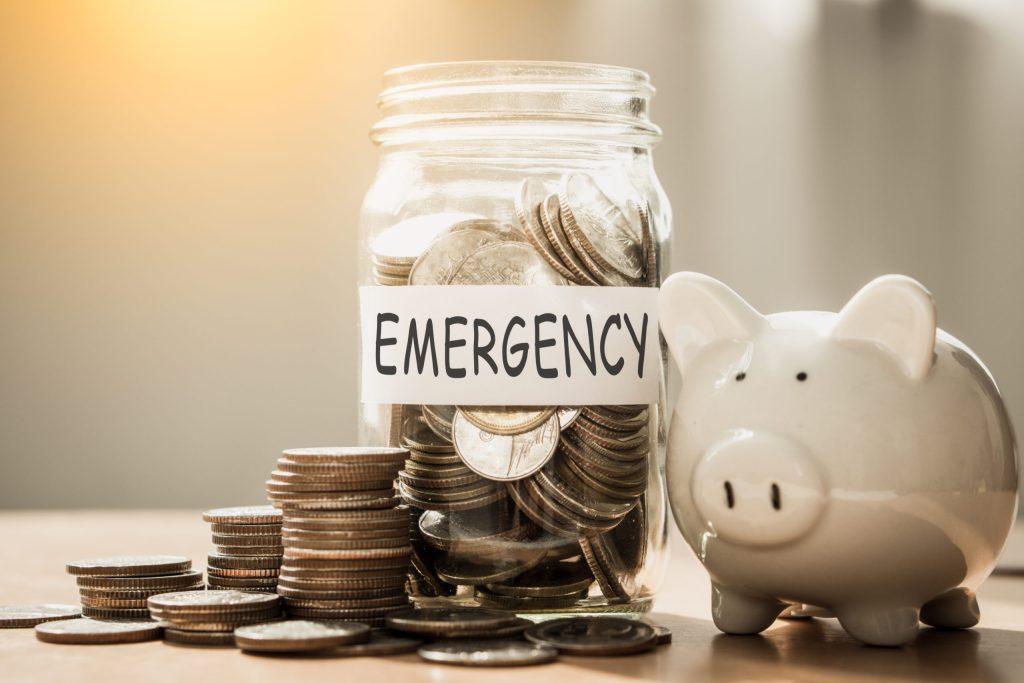

An emergency fund is one of the most important parts of personal finance, yet many people ignore it until they face a financial crisis. In 2026, rising living costs, job uncertainty, and unexpected medical expenses make it more important than ever to have a financial safety net.
An emergency fund is money set aside specifically for urgent and unexpected situations such as medical emergencies, job loss, car repairs, or sudden household expenses. It is not meant for shopping, vacations, or lifestyle spending.
Building an emergency fund quickly may seem difficult, but with the right strategy, discipline, and planning, it is absolutely possible.
Why an Emergency Fund Is Important
An emergency fund protects you from financial stress during difficult times. Without it, most people are forced to take loans or use credit cards, which can lead to debt problems.
It also gives you peace of mind. When you know you have backup savings, you can handle unexpected situations without panic or pressure.
Most importantly, an emergency fund prevents financial setbacks from turning into long-term financial crises.
How Much Should You Save
The ideal emergency fund should cover at least 3 to 6 months of your basic living expenses. This includes rent, groceries, utilities, transport, and essential bills.
For example, if your monthly expenses are moderate, your target should be to multiply that amount by 3 or 6 depending on your financial stability.
Beginners can start small and gradually increase their target over time instead of trying to save everything at once.
Step 1: Set a Clear Savings Goal
The first step in building an emergency fund is setting a clear and realistic goal. Without a target, it becomes difficult to stay motivated.
Decide how much money you want to save and in what time period. Breaking the goal into smaller monthly targets makes it easier to achieve.
A clear goal gives direction and helps you track your progress effectively.
Step 2: Start with Small Contributions
Many people delay saving because they think they need a large amount of money to begin. In reality, even small contributions matter.
Start by saving a small portion of your income every month. The key is consistency, not the amount.
Over time, these small savings build into a strong financial cushion.
Step 3: Create a Simple Budget
A budget helps you understand where your money is going and how much you can save. Without budgeting, it is difficult to control spending.
Divide your income into essential expenses, savings, and optional spending. Reduce unnecessary costs and redirect that money toward your emergency fund.
A well-managed budget is the foundation of fast savings growth.
Step 4: Cut Unnecessary Expenses
One of the fastest ways to build an emergency fund is by reducing non-essential spending. Small daily expenses like eating out, entertainment, and impulse shopping can add up quickly.
By controlling these expenses, you can free up extra money for savings without affecting your basic lifestyle.
Even minor lifestyle adjustments can significantly speed up your savings progress.
Step 5: Automate Your Savings
Automation is one of the most effective strategies for building savings quickly. Set up an automatic transfer from your salary account to your savings account every month.
This ensures that you save before you have a chance to spend the money.
Automated savings reduce the risk of forgetting or delaying your financial goals.
Step 6: Use a Separate Savings Account
Keeping your emergency fund in a separate account helps prevent unnecessary spending. When money is mixed with daily expenses, it becomes easier to use it for non-emergency purposes.
A separate account creates a psychological barrier that encourages discipline.
It also helps you track your progress more clearly.
Step 7: Increase Your Income
If you want to build an emergency fund faster, increasing your income can make a big difference. You can explore freelancing, part-time jobs, or online earning opportunities.
Even a small side income can significantly speed up your savings process.
The extra money should be directed directly into your emergency fund for faster results.
Step 8: Save Windfall Money
Unexpected income such as bonuses, gifts, or refunds should be added to your emergency fund instead of being spent immediately.
These one-time earnings can boost your savings significantly without affecting your monthly budget.
Using windfall money wisely helps you reach your goal much faster.
Step 9: Stay Consistent and Patient
Consistency is the most important factor in building an emergency fund. Even if progress feels slow, regular saving habits will eventually lead to strong financial security.
Avoid stopping your savings plan once you reach a small milestone. Continue building until you reach your full target.
Patience and discipline are key to long-term success.
Common Mistakes to Avoid
Many people make the mistake of not prioritizing emergency savings. Others use their emergency fund for non-emergency expenses, which defeats its purpose.
Another common mistake is not setting a clear goal or saving irregularly. Without structure, it becomes difficult to build financial security.
Avoiding these mistakes ensures steady and reliable progress.
Conclusion
Building an emergency fund in 2026 is essential for financial stability and peace of mind. It protects you from unexpected expenses and reduces dependency on debt during emergencies.
By setting clear goals, saving consistently, reducing expenses, and increasing income, you can build a strong emergency fund faster than you think.
Financial security does not happen overnight, but with discipline and smart planning, anyone can create a reliable safety net for the future.