

Investing in the stock market has become one of the most popular ways to build wealth in 2026. However, many beginners hesitate because they believe it is risky or too complicated. The truth is, with the right knowledge and low-risk strategies, stock investing can be a safe and effective way to grow money over time.
The key is not to rush or gamble, but to invest wisely, stay consistent, and understand how the market works.
What Are Stocks and How Do They Work?
Stocks represent ownership in a company. When you buy a stock, you are essentially buying a small part of that business. If the company grows and performs well, the value of your stock increases.
Investors earn money in two ways: capital gains and dividends. Capital gains come from selling stocks at a higher price than they were purchased. Dividends are regular payments made by some companies to shareholders.
Understanding this basic concept is the first step toward smart investing.
Why Low-Risk Investing Is Important for Beginners
Beginners should always focus on low-risk investments because they are still learning how the market behaves. High-risk trading can lead to quick losses if proper knowledge is not available.
Low-risk investing helps protect your money while still allowing steady growth. It also reduces emotional stress and helps you stay consistent in the long term.
The goal for beginners should be learning and gradual wealth building, not quick profits.
Step 1: Start with Small Investments
One of the best strategies for beginners is to start small. You do not need a large amount of money to begin investing in stocks.
Starting small allows you to learn without risking too much capital. As you gain experience and confidence, you can gradually increase your investment amount.
This approach helps you understand market behavior in a safe and controlled way.
Step 2: Invest in Stable Companies
Low-risk investing usually involves choosing stable and well-established companies. These companies often have a strong financial history and consistent performance.
Such stocks are less likely to experience extreme price fluctuations. While they may not give very high returns quickly, they provide long-term stability and reliability.
Focusing on quality companies is better than chasing unpredictable high-growth stocks.
Step 3: Diversify Your Investments
Diversification means spreading your money across different stocks or sectors. This reduces risk because if one investment performs poorly, others may still perform well.
For example, you can invest in technology, healthcare, and consumer goods sectors instead of putting all your money into one area.
Diversification is one of the most effective ways to protect your investment portfolio.
Step 4: Focus on Long-Term Investing
Stock market success is usually achieved through long-term investing rather than short-term trading. Long-term investors hold their stocks for several years to benefit from steady growth.
Markets may go up and down in the short term, but over time, they tend to grow. Patience is a key factor in reducing risk and increasing returns.
Long-term investing also reduces stress and the need to constantly monitor the market.
Step 5: Avoid Emotional Decisions
One of the biggest mistakes beginners make is making emotional decisions. Fear and greed often lead to poor investment choices.
When the market goes down, some people panic and sell their stocks. When the market goes up, they buy without thinking. Both actions can lead to losses.
Successful investors stay calm, follow their plan, and avoid reacting emotionally to market changes.
Step 6: Learn Basic Market Knowledge
Before investing, it is important to understand basic market concepts such as stock prices, market trends, and risk levels.
Learning how companies perform, reading financial news, and understanding economic factors can help you make better decisions.
Knowledge reduces risk and increases your chances of success in the stock market.
Step 7: Use Reliable Investment Platforms
Choosing a trusted brokerage platform is important for safe investing. A good platform provides secure transactions, market data, and easy access to stocks.
Make sure to research and select platforms that are regulated and user-friendly. This ensures that your investments are safe and easy to manage.
Step 8: Invest Regularly Instead of One-Time Investment
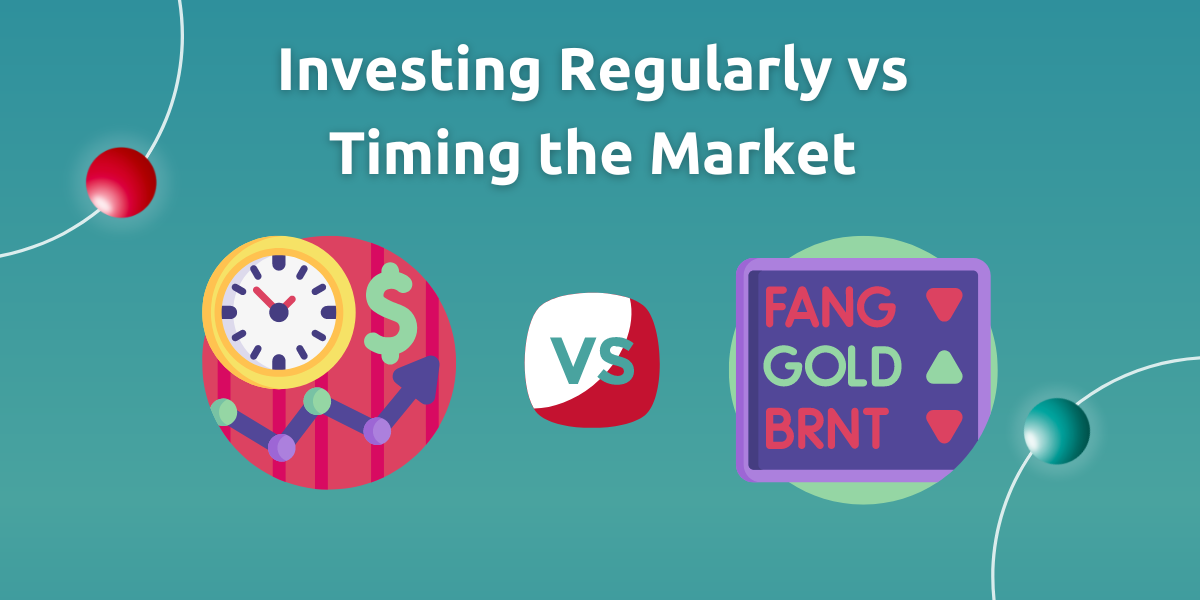
Instead of investing a large amount at once, beginners should consider investing regularly in small amounts. This strategy is known as dollar-cost averaging.
It helps reduce the impact of market fluctuations and builds a consistent investment habit over time.
Regular investing also makes it easier to manage financial risk.
Common Mistakes Beginners Should Avoid
Many beginners lose money because they invest without research or follow market rumors. Another mistake is expecting quick profits, which leads to poor decisions.
Avoid investing all your money in one stock and never borrow money for investing. These mistakes increase risk and can lead to financial loss.
Conclusion
Investing in stocks with low risk is a smart way to build long-term wealth, especially for beginners. By starting small, choosing stable companies, diversifying investments, and focusing on long-term goals, you can reduce risk and improve results.
Stock market investing is not about getting rich quickly—it is about steady growth and smart decision-making. With patience and discipline, anyone can become a successful investor over time.