
Debt is something many people face at some point in their lives. Whether it is credit card bills, personal loans, student loans, or business debt, it can create financial pressure and emotional stress if not managed properly. The good news is that getting out of debt is possible with the right strategy and consistent effort.
In 2026, financial awareness has increased, and more people are focusing on building debt-free lives. The key is not just earning more money, but managing existing debt in a smart and structured way.
Why Debt Becomes a Problem
Debt becomes a burden when it starts growing faster than your ability to repay it. High interest rates, late payments, and poor financial planning can quickly turn small loans into long-term stress.
Another major issue is using new loans to pay old ones, which creates a cycle of debt. This cycle makes it harder to escape financial pressure and reduces savings opportunities.
Understanding how debt works is the first step toward controlling it effectively.
Step 1: List All Your Debts Clearly
The first step to becoming debt-free is to write down all your debts in one place. Include the total amount, interest rate, and monthly payment for each loan or credit card.
This gives you a clear picture of your financial situation. Many people avoid this step because it can feel overwhelming, but clarity is essential for planning your repayment strategy.
Once you see everything clearly, you can prioritize which debts to pay first.
Step 2: Choose a Debt Repayment Strategy
There are two popular methods to repay debt: the snowball method and the avalanche method.
The snowball method focuses on paying off the smallest debts first, which builds motivation quickly. The avalanche method focuses on paying high-interest debts first, which saves more money in the long run.
Both methods are effective, and you can choose the one that best fits your personality and financial situation.
Step 3: Create a Realistic Monthly Budget
A budget is essential when trying to get out of debt. It helps you control spending and allocate more money toward repayments.
Start by dividing your income into essential expenses, debt payments, and savings. Reduce unnecessary spending and redirect that money toward clearing your debts faster.
A well-planned budget ensures that you stay consistent and avoid new debt.
Step 4: Reduce Unnecessary Expenses
Cutting down expenses is one of the fastest ways to repay debt. Small lifestyle changes like reducing dining out, limiting shopping, and canceling unused subscriptions can free up extra money.
Even minor savings can significantly increase your monthly debt payments over time. The key is to focus on needs rather than wants until your debt is under control.
Step 5: Increase Your Income
If possible, increasing your income can speed up debt repayment. This can be done through freelancing, part-time work, online earning, or starting a small side business.
Extra income should be directly used for debt repayment instead of new spending. This helps reduce the total repayment time and financial pressure.
Step 6: Avoid Taking New Debt
While paying off existing debt, it is very important to avoid new loans. Taking new credit cards or loans will slow down your progress and increase financial stress.
Try to live within your means and use cash or debit instead of credit whenever possible. Breaking the habit of borrowing is essential for becoming debt-free.
Step 7: Negotiate Lower Interest Rates
In some cases, you can contact your bank or lender to request lower interest rates. Many financial institutions offer flexible repayment options for responsible borrowers.
Lower interest rates mean more of your payment goes toward reducing the actual debt instead of paying interest. This can significantly shorten your repayment period.
Step 8: Build an Emergency Fund While Repaying Debt
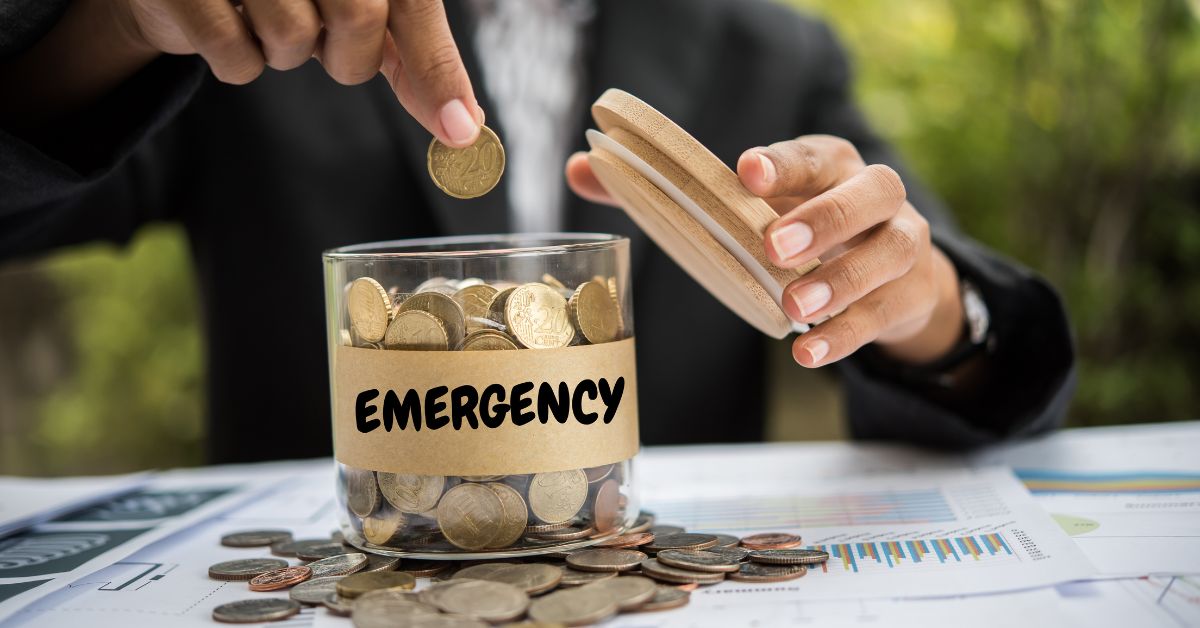
Even while paying off debt, it is important to save a small emergency fund. This prevents you from taking new debt during unexpected situations like medical emergencies or urgent repairs.
Start small, even with a modest amount each month. Over time, this fund will provide financial security and reduce dependency on loans.
Step 9: Stay Consistent and Patient
Getting out of debt takes time and discipline. There may be moments when progress feels slow, but consistency is the key to success.
Track your progress regularly and celebrate small achievements. Staying motivated helps you avoid falling back into old financial habits.
Common Mistakes to Avoid
One common mistake is ignoring debt instead of facing it directly. Another mistake is only paying minimum amounts, which increases long-term interest costs.
People also often take new loans to clear old ones, which creates a cycle of debt. Avoiding these mistakes is crucial for financial recovery.
Conclusion
Getting out of debt faster without stress is possible with proper planning, discipline, and commitment. By listing your debts, choosing a repayment strategy, budgeting wisely, and avoiding new loans, you can regain financial control.
Debt freedom is not achieved overnight, but with consistent effort and smart financial decisions, anyone can build a stable and stress-free financial future.