

The cryptocurrency market has evolved from a niche experiment into a global financial ecosystem. With thousands of digital assets actively traded every day, understanding how prices move has become essential for investors, traders, and even casual observers. This is where crypto price analysis plays a crucial role.
Rather than relying on speculation or social media hype, crypto price analysis helps interpret market behavior using data, patterns, and indicators. In this article, we will explore what it means, how it works, the tools involved, and how investors can use it to make more informed decisions.
What Is Crypto Price Analysis?
Crypto price analysis refers to the process of studying historical and current market data to predict future price movements of cryptocurrencies such as Bitcoin, Ethereum, and other altcoins.
It involves examining:
- Price charts
- Trading volume
- Market trends
- Technical indicators
- Fundamental factors
The goal is not to predict prices with absolute certainty (which is impossible in any market), but to improve decision-making by identifying probabilities and patterns.
Crypto markets are highly volatile, which makes analysis even more important compared to traditional assets like stocks or bonds.
Why Crypto Price Analysis Matters
The cryptocurrency market operates 24/7, with global participation and rapid price fluctuations. Without proper analysis, investors may rely on emotions, leading to poor decisions such as panic selling or FOMO buying.
Crypto price analysis helps in several ways:
1. Better Entry and Exit Timing
By studying price trends, traders can identify potential entry points when an asset is undervalued and exit points when it is overvalued.
2. Risk Management
Understanding market conditions allows investors to set stop-loss levels and reduce potential losses.
3. Identifying Market Trends
Whether the market is bullish, bearish, or consolidating, analysis helps define the broader direction.
4. Avoiding Emotional Trading
Data-driven insights reduce emotional decision-making, which is one of the biggest causes of losses in crypto trading.
Types of Crypto Price Analysis
There are three major approaches used in analyzing cryptocurrency prices.
1. Technical Analysis (TA)
Technical analysis focuses on price charts and historical data. It assumes that all information is already reflected in the price.
Traders use tools like:
- Moving averages
- Relative Strength Index (RSI)
- MACD (Moving Average Convergence Divergence)
- Fibonacci retracement levels
- Candlestick patterns
For example, if Bitcoin repeatedly bounces off a support level, traders may expect that level to hold again in the future.
2. Fundamental Analysis (FA)
Fundamental analysis evaluates the intrinsic value of a cryptocurrency.
Instead of focusing on charts, it considers:
- Project utility
- Team credibility
- Technology and blockchain scalability
- Adoption rate
- Partnerships and ecosystem growth
For instance, Ethereum’s price is often influenced by network usage, DeFi activity, and upgrades like Ethereum 2.0.
3. Sentiment Analysis
Sentiment analysis studies market psychology and public perception.
It includes:
- Social media trends
- News coverage
- Investor sentiment
- Fear and Greed Index
Crypto markets are highly sensitive to sentiment. A single tweet from a major influencer or regulatory announcement can significantly impact prices.
Key Tools Used in Crypto Price Analysis
Modern traders rely on multiple tools to analyze price movements effectively.
Charting Platforms
Platforms like TradingView provide advanced charting tools, indicators, and community insights.
On-Chain Data Tools
These tools analyze blockchain data such as:
- Wallet activity
- Transaction volume
- Exchange inflows and outflows
They help identify whether investors are accumulating or selling assets.
Market Data Aggregators
Websites like CoinMarketCap and CoinGecko provide real-time price data, market capitalization, and trading volume.
Trading Bots and AI Tools
Some traders use automated systems powered by algorithms and machine learning to identify trading opportunities.
How Crypto Price Analysis Works in Practice
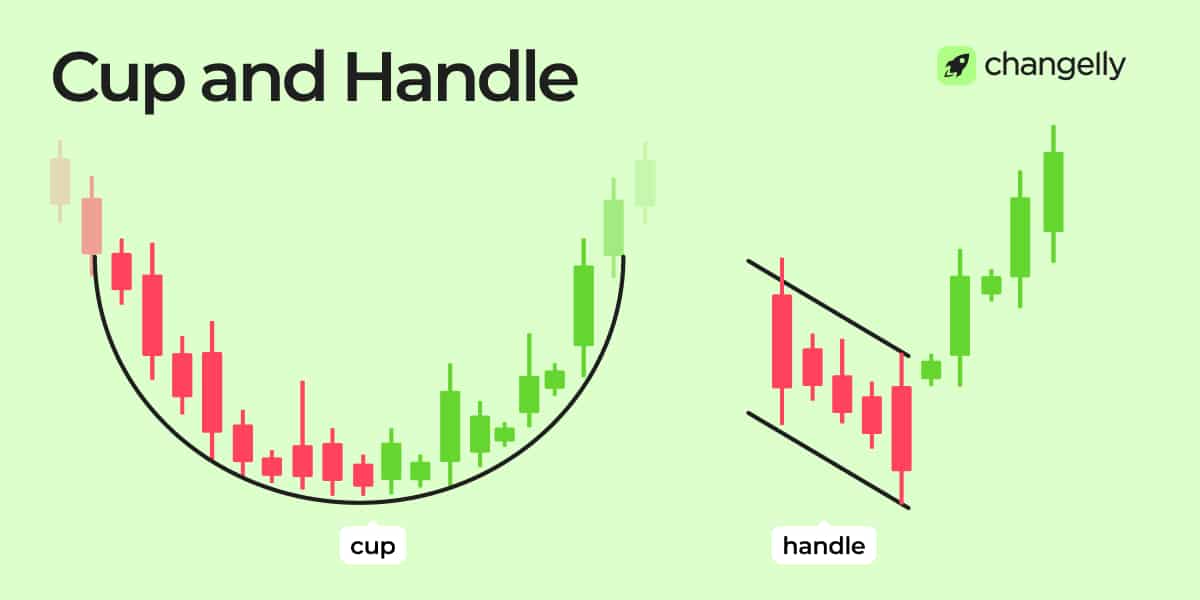
To understand how analysis is applied, consider a simplified example:
A trader is analyzing Bitcoin.
- They check the price chart and notice a strong uptrend.
- RSI shows the asset is approaching overbought conditions.
- Trading volume is increasing.
- News sentiment is positive due to institutional adoption.
Based on this combination of signals, the trader may decide to wait for a pullback before entering the market.
This is how multiple forms of analysis work together in real-world decision-making.
Common Patterns in Crypto Price Movements
Crypto markets often repeat certain behaviors due to human psychology and market structure.
1. Bull Runs
A bull market is characterized by rising prices, high optimism, and increased trading activity.
2. Bear Markets
A bear market involves declining prices, fear, and reduced participation.
3. Consolidation Phases
Prices move sideways as the market decides the next direction.
4. Breakouts
When prices move beyond key support or resistance levels, strong momentum often follows.
Understanding these patterns is essential for effective crypto price analysis.
Factors That Influence Crypto Prices
Crypto prices are influenced by multiple internal and external factors:
Market Demand and Supply
Like any asset, scarcity and demand drive prices.
Regulations
Government policies can significantly impact market sentiment.
Institutional Investment
Large-scale investments from institutions often increase credibility and price stability.
Technological Updates
Upgrades, forks, and improvements in blockchain technology can affect investor confidence.
Global Economic Conditions
Inflation, interest rates, and economic instability can push investors toward or away from crypto assets.
Mistakes to Avoid in Crypto Price Analysis
Even experienced traders make mistakes when analyzing the market.
1. Overreliance on One Indicator
No single indicator can guarantee accurate predictions.
2. Ignoring Risk Management
Failing to set stop-loss levels can lead to significant losses.
3. Emotional Decision-Making
Fear and greed often override logic in volatile markets.
4. Following Hype
Relying solely on social media trends without proper analysis is risky.
Advanced Approaches in Crypto Price Analysis
As the market evolves, more advanced methods are being used.
Machine Learning Models
AI algorithms analyze large datasets to detect patterns that humans might miss.
Quantitative Trading
This involves using mathematical models and statistical analysis to execute trades.
Algorithmic Trading
Pre-programmed systems automatically execute trades based on predefined conditions.
These methods are becoming increasingly popular among institutional investors.
The Future of Crypto Price Analysis
The future of crypto price analysis is likely to be shaped by automation and AI. As data becomes more complex, human analysis alone may not be enough.
We can expect:
- More AI-driven trading tools
- Better predictive analytics
- Integration of real-time blockchain data
- Improved sentiment tracking systems
However, human judgment will still remain important, especially for interpreting unpredictable events like regulations or global crises.
Conclusion
Crypto markets are dynamic, fast-moving, and often unpredictable. However, with proper crypto price analysis, investors can significantly improve their chances of making informed decisions.
By combining technical, fundamental, and sentiment analysis, traders can develop a more complete understanding of the market. While no method guarantees success, structured analysis reduces risk and increases clarity in an otherwise chaotic environment.
Whether you are a beginner or an experienced trader, mastering crypto price analysis is essential for navigating the evolving world of digital assets.